
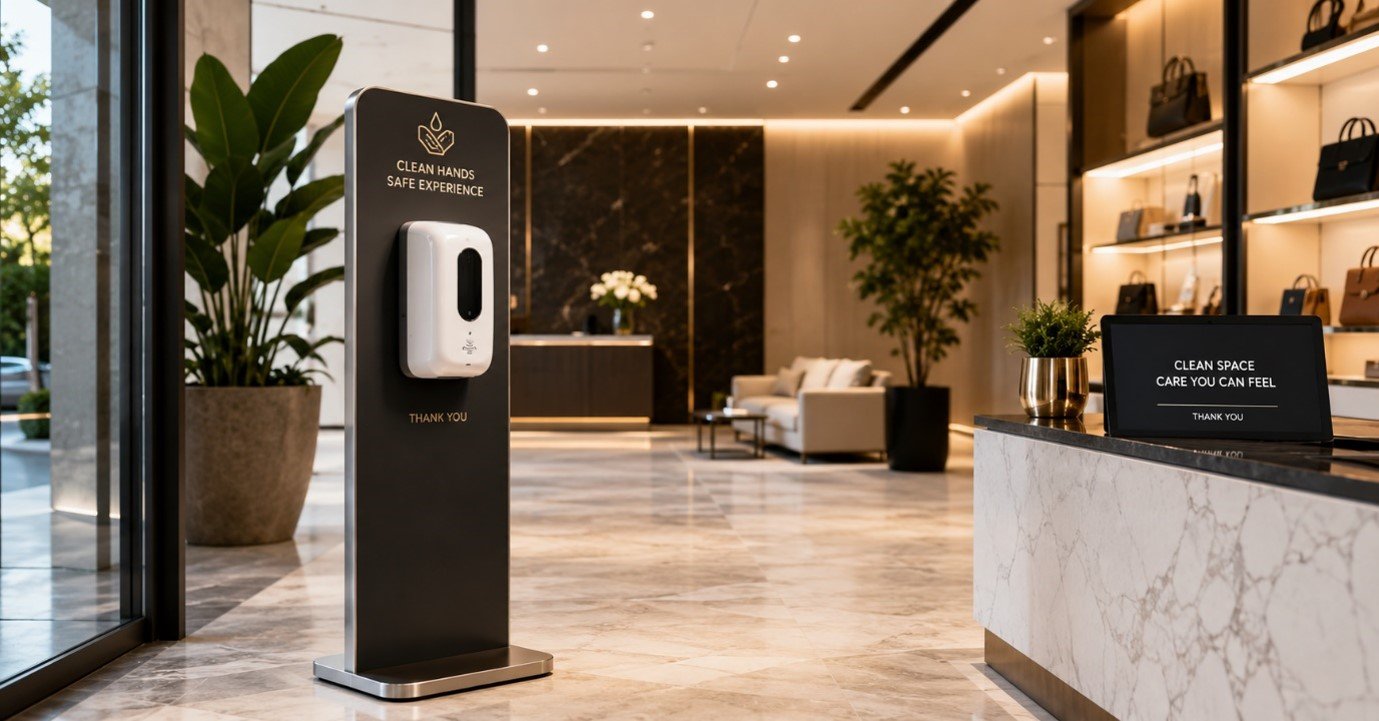
Clean Is the New Luxury: Why Hygiene Is Becoming Part of the Customer Experience
Introduction
Luxury used to mean marble floors, plush seating, and flawless service. Today, customers are adding a new item to that checklist: cleanliness. A spotless entrance, a fully stocked restroom, or a sanitizer station within arm’s reach now shapes how premium a business feels, sometimes more than its décor does.
This shift reflects a broader change in how people evaluate cleanliness and customer experience together, rather than treating hygiene as a background detail. For businesses, this means cleanliness is no longer just an operational task handled behind the scenes. It has become a visible, felt part of the brand, one that can quietly build trust or just as quietly send a customer walking out the door.
The Shift: Why Clean Now Reads as Premium
For years, luxury was defined by exclusivity, materials, and design. That definition has expanded. Customers who have grown used to Touch Free Hand Sanitizer Stand at every counter, disinfected surfaces, and touch-free fixtures now read the absence of these things as a red flag rather than a neutral detail. A business that skips visible hygiene measures can feel outdated or careless, even if the products or services are excellent.
This shift isn’t tied to any single event anymore; it has settled into an ongoing expectation. Customers associate order and cleanliness with competence. When a space looks and feels cared for, people assume the business behind it is careful in other ways too, from how it handles transactions to how it treats its staff.
How Hygiene Shapes the Customer Experience
Cleanliness works on customers before they consciously notice it. A tidy entrance, clear signage, and accessible hand-sanitizing stations create a sense of calm and order the moment someone walks in. This first impression carries through the rest of the visit, influencing how comfortable a customer feels browsing, sitting down, or spending more time in the space.
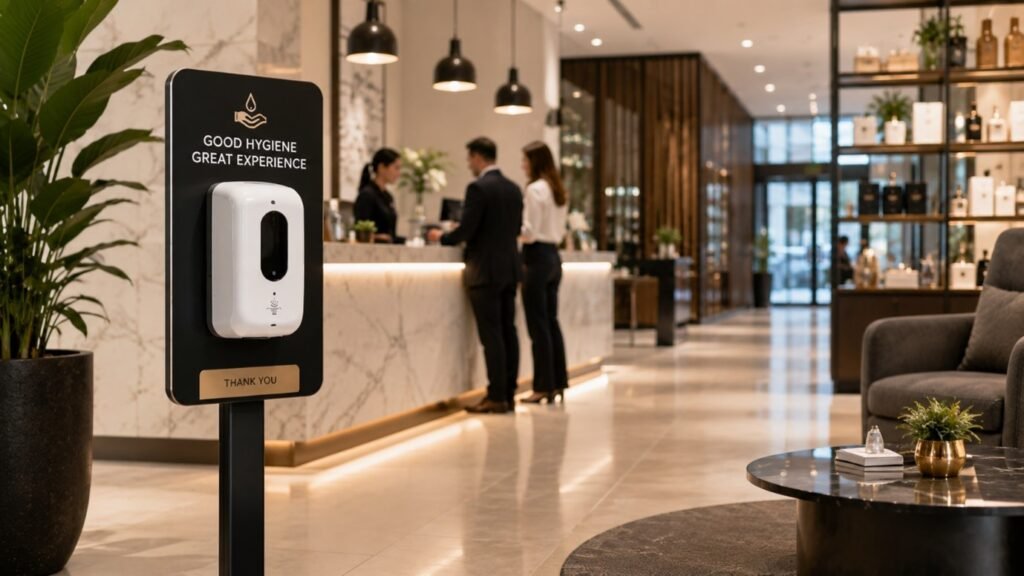
This is where cleanliness and customer experience intersect most directly. A customer who feels confident about a space’s cleanliness is more likely to linger, return, and recommend it to others. On the other hand, a single lapse, an empty sanitizer stand or a dirty countertop, can undo the goodwill built by good service or attractive design in seconds.
The Business Case for a Cleaner Front of House
Beyond perception, hygiene has measurable business value. Clean, well-maintained spaces reduce complaints, support better reviews, and encourage repeat visits. Customers rarely leave positive feedback about cleanliness when it meets expectations, but they are quick to mention it when it falls short.
Investing in visible hygiene infrastructure also signals long-term thinking. It shows customers a business plan for their comfort rather than reacting when something goes wrong. Employees notice this too: a workplace that maintains visible hygiene standards tends to see steadier morale, since staff spend their shifts in an environment that feels genuinely cared for.
Building a Luxury Hygiene Experience
Creating a hygiene experience that feels premium rather than purely functional takes some intention. A few elements make the biggest difference.
Elegant, Accessible Stations
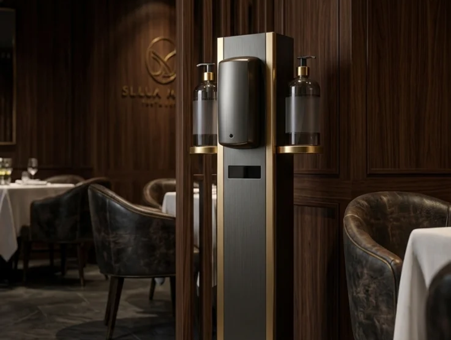
Sanitizer stands and hygiene stations don’t need to look clinical. Sleek, well-placed designs at entrances, checkout counters, and waiting areas blend into the space while remaining easy to find and use.
The Rise of Touch-Free Dispensing
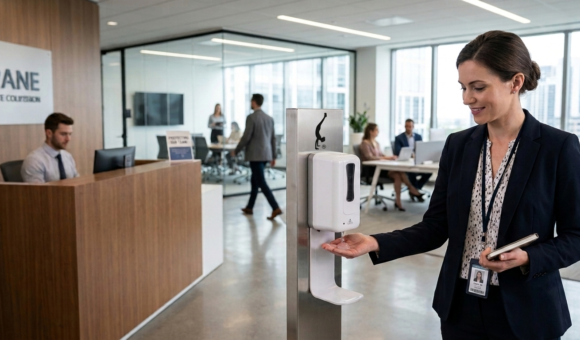
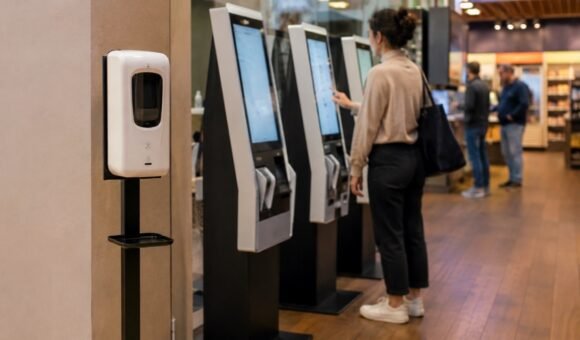
More businesses are choosing motion-activated dispensing to combine convenience with a modern, higher-end feel. Removing the need to touch a shared surface is exactly the kind of detail customers increasingly expect in spaces that present themselves as premium or health-conscious.
Consistency Across Every Touchpoint
A single clean station near the entrance isn’t enough. Restrooms, seating areas, and staff-facing spaces all contribute to the overall impression, so hygiene standards need to stay consistent throughout the entire customer journey.
A few practical habits support this kind of consistency:
- Restock hygiene stations before they run low, not after
- Scheduling regular cleaning during quieter hours
- Training staff to treat visible hygiene as part of customer service
- Reviewing high-traffic areas like entrances and checkout counters most often
Choosing the Right Hygiene Solutions for Your Business
Not every space has the same hygiene needs. A busy retail store, a quiet office, and a restaurant each call for different placement, capacity, and style of equipment. A few factors are worth weighing before you choose:
- Foot traffic – Higher-traffic spaces need larger capacity and more frequent restocking.
- Layout – Placement near entrances, checkouts, and waiting areas has the most impact.
- Durability – Equipment built for daily use holds up better than budget options.
- Ease of maintenance – Stations that are simple to refill and clean stay stocked more reliably.
- Style – Sleek, modern designs support a premium feel rather than a clinical one.
A touch-free hand sanitizer stand that’s simple to refill and clean will hold up better over time than one that looks impressive but is inconvenient for staff to manage. Choosing equipment built for regular use, rather than the cheapest available option, tends to pay off in fewer repairs and a more reliable customer experience.
Conclusion
Hygiene has moved from an operational afterthought to a visible signal of quality. Customers increasingly judge businesses on how clean and cared-for a space feels, treating it as part of the overall experience rather than a separate concern. Small, consistent choices, well-placed stations, regular restocking, and a reliable hand sanitizer dispenser stand add up to a space that feels considered rather than merely maintained.
Businesses that treat hygiene this way aren’t just avoiding complaints; they’re building the kind of trust that keeps customers coming back. In a market where customers have more choices than ever, that quiet sense of care can be the detail that sets one business apart from another.
FAQs
1. Why is hygiene now considered part of the customer experience?
Customers increasingly judge businesses on how clean and cared-for a space feels, not just on service or price, making hygiene a visible part of their overall impression.
2. Does visible hygiene actually influence customer loyalty?
Yes, customers who feel confident about a space’s cleanliness are more likely to return and recommend it, while lapses in hygiene are quickly noticed and remembered.
3. What makes a motion-activated dispenser a better choice than a manual one?
It reduces contact with shared surfaces, cutting down on cross-contamination. It also offers a more convenient, modern experience that aligns with how customers expect premium spaces to operate.
4. Where should hygiene stations be placed for the best impact?
Entrances, checkout counters, waiting areas, and restrooms tend to see the most traffic. Placing stations there ensures visibility and use, benefiting both customers and employees moving through the space.
5. How often should hygiene stations be checked and restocked?
High-traffic stations should be checked daily, ideally during quieter hours before opening. Regular restocking keeps them from running empty right when a customer or employee needs them most.
Ready to Elevate Your Customer Experience?
Give every visitor a reason to trust your space. Shop a hand sanitizer stand for businesses and make hygiene part of the impression you leave behind.
Add a review
Your email address will not be published. Required fields are marked *