
The Hygiene Blind Spot: Why Lobbies, Breakrooms, Gyms and Shared Spaces Deserve More Attention
Introduction
Most businesses build their commercial hand hygiene plans around restrooms and kitchens. The places in between get far less attention. Picture the lobby door handle, the breakroom coffee pot, the gym’s weight rack, and the elevator button. Hundreds of people may touch them in a day, yet nobody owns the job of keeping hands clean around them. Each of those spots can pass germs from one person to the next.
Hand hygiene in shared spaces is a gap many facilities only notice once a cold sweeps through the whole team. In this article, we look at why these areas matter, where the weak spots hide, how to choose and place sanitizer stations, and a simple routine that keeps everything working.
Key Takeaways
- Shared areas are used by many people, so surfaces there change hands constantly.
- Sanitizer works best at the point of need: entrances, exits, and beside shared equipment.
- The CDC advises a sanitizer with at least 60% alcohol when soap and water are not available.
- Sanitizer is not a substitute for washing when hands are visibly dirty or greasy.
- A station only helps when it is visible, stocked, and simple to use.
Why Hand Hygiene Matters in Shared Spaces
Hands are the link between a surface and your face. Someone coughs into a hand, grabs a door handle, and the next person picks up whatever is left behind. Public health guidance points to key moments for cleaning hands: after touching commonly shared items, before eating, and after using the restroom. A shared space packs all of those moments into one area.
Good commercial hand hygiene starts with admitting that surface cleaning only goes so far. People keep touching new things as soon as the cleaning crew leaves. A quick way to clean hands after contact fills the time between scheduled cleanings.
Where Hygiene Blind Spots Hide in Busy Buildings
Every building has areas that people use constantly but nobody plans for. Here are the places where hands and shared surfaces meet most often.
Lobbies and Reception Areas
Visitors, couriers, clients, and staff all pass through the lobby. They touch the door, the pen, the sign-in screen, and the elevator button.
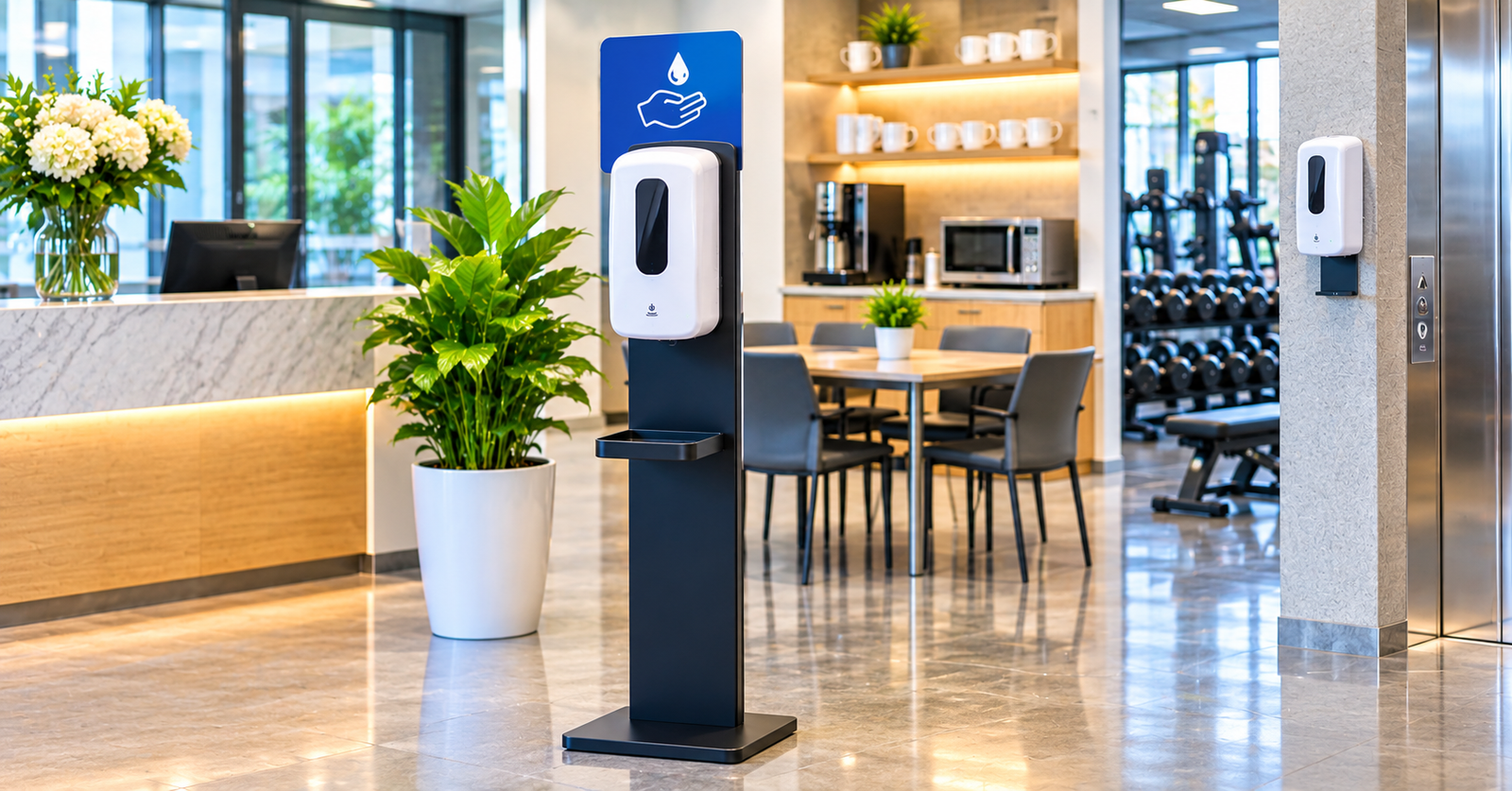
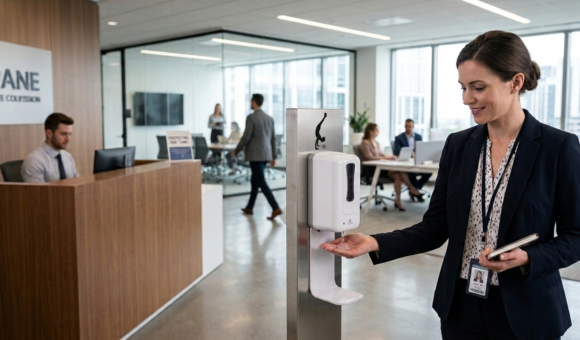
Well-placed commercial hand sanitizer stations near the entrance turn a quick clean into a habit before people move deeper into the building. A floor-standing unit suits this job because it sits in the walking path.
Breakrooms and Kitchenettes
The fridge handle, microwave buttons, and coffee machine are shared by the whole team, and people eat here, which raises the stakes.
A few office hand hygiene stations at the breakroom door and near the coffee area remind people to clean up before a snack. A sink with soap should still come first when hands are dirty.
Gyms and Fitness Areas
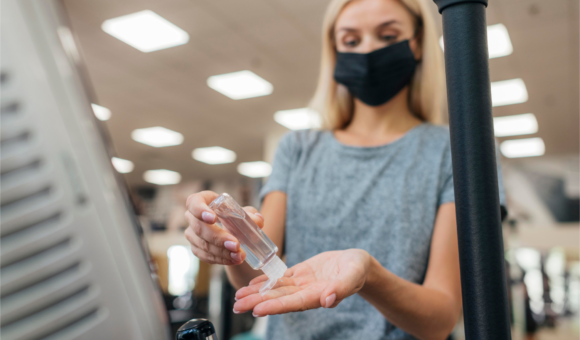
Dumbbells, cable handles, benches, and cardio screens pass through dozens of different hands every day. Few members stop to think about what the last person touched before them.
Members can sanitize on the way in, near the free weights, and at the locker room exit, before and after each workout.
Hallways, Elevators, and Restroom Exits
Meeting rooms, waiting areas, and elevators get steady traffic but rarely a hygiene plan. Restroom exits are another smart spot, because a dispenser nearby can remind people who skip the sink.
A Quick Placement Guide
The spaces above are easier to act on side by side. This table shows why each gets missed and where a station fits best.
| Space | Why it gets missed | Best station spot |
| Lobby | Seen as a place to pass through | Beside the main entrance |
| Breakroom | Hygiene is assumed, not planned | Near the door and coffee area |
| Gym | Shared equipment, constant use | Entrance, free weights, locker exit |
| Elevator area | Quick stops, many buttons | Next to the call buttons |
| Restroom exit | Rushed hand washing | Just outside the door |
Choosing Dispensers People Will Actually Use
Even a good station fails if people walk past it, so these four points help each station earn its place:
- Visibility: People should spot the station without being told where to look, so place it along routes they already walk.
- Stability: A tall unit must stay put when someone bumps it, so choose a sturdy base that will not tip.
- Easy refills: Staff will restock a station that opens simply, so choose a design where swapping a bottle is quick.
- Capacity: A busy lobby empties a small bottle fast, so match the reservoir or bottle size to the foot traffic.
Touch-free hand sanitizer dispensers remove one more touch point, since nobody needs to press a pump that hundreds of others have pressed.
The best public space hygiene solutions are not complicated. They are visible, reliable, and placed where people already walk.
How to Improve Hygiene in High-Traffic Areas
Walk the building as a visitor would, then follow these steps:
- Map the touch points – Note every handle, button, and shared item along common routes.
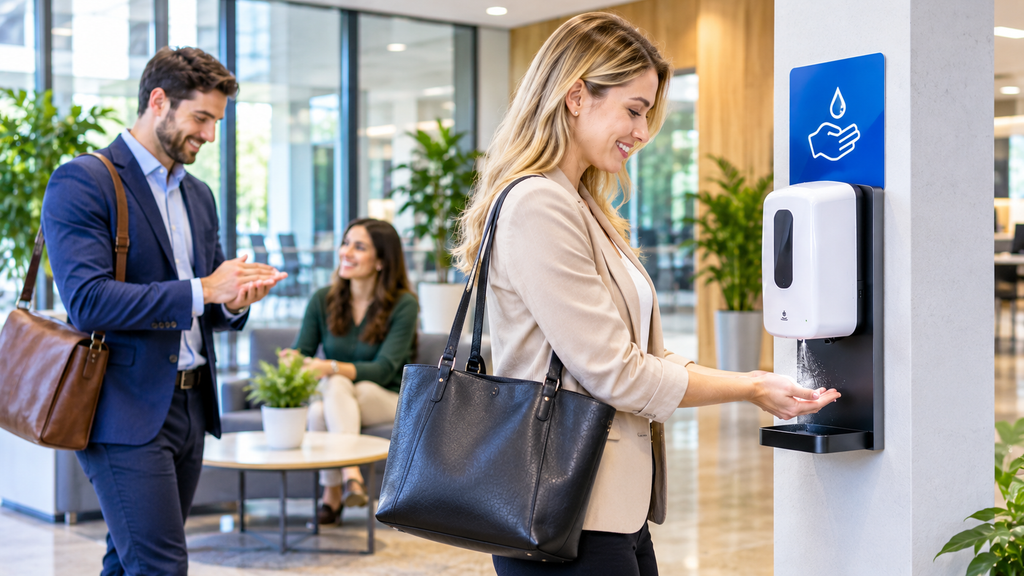
- Place stations at entrances and exits – People are most likely to use them when they are already stopping.
- Add a short sign – A simple reminder near the dispenser helps first-time users.
- Assign a restock owner – An empty dispenser sends the wrong message, so check them daily.
- Keep cleaning and sinks in the plan – Sanitizer supports soap and surface cleaning. It does not replace them.
- Ask for feedback – Staff and regular visitors will tell you which spots work and which do not.
Conclusion
Shared areas are where many people meet, and they are also where hygiene plans tend to have the biggest gaps. The lobby, the breakroom, and the gym may look like three separate spaces, but they share one problem: busy hands touching the same things all day. Looking at them as one connected system is the first step toward stronger commercial hand hygiene, and it starts with small, practical choices rather than a large project.
Place a visible station where people stop, keep it filled, and check it often. The HandStand Shop offers floor-standing sanitizer towers and dispensers built for spaces like these, so you can build a setup that fits your space and traffic.
Frequently Asked Questions
Does hand sanitizer work as well as soap and water?
Soap and water is the first choice. When it is not available, a sanitizer with at least 60% alcohol is a good alternative, though it works less well on visibly dirty or greasy hands.
Where should sanitizer stations go in a building?
Place them at entrances, exits, lobbies, elevator areas, restroom exits, breakrooms, and beside shared equipment. Choose spots where people already stop or pass, so using one takes no extra effort.
How much alcohol should a hand sanitizer contain?
The CDC recommends choosing a hand sanitizer with at least 60% alcohol. Check the label before buying, especially when purchasing in bulk for a business or public area.
Are touch-free hand sanitizer dispensers worth it for busy areas?
They reduce contact with a shared pump, which helps in busy spaces. They also run on power or batteries, so consider upkeep and refill needs before choosing one.
How can businesses encourage people to use sanitizer?
Make stations easy to see, place them along natural walking paths, add a short reminder sign, and keep them filled. People use what is convenient and clearly available.
Set Up Cleaner Shared Spaces Today
Review your lobby, breakroom, and gym, then choose sanitizer stations that suit your space and foot traffic. Browse our range and give every visitor an easy way to clean up.

Add a review
Your email address will not be published. Required fields are marked *