
Why Every Business Needs a Hand Sanitizer Tower
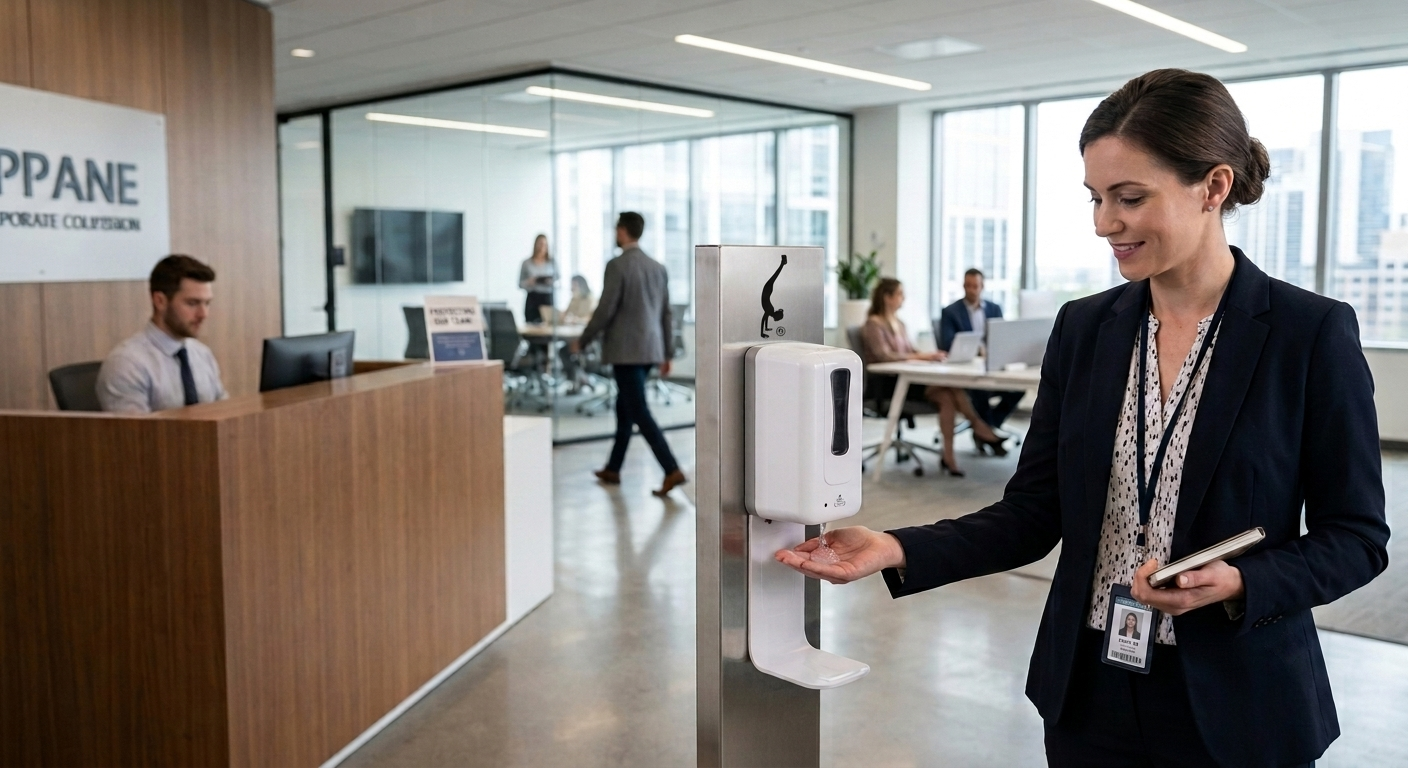
Walk into any airport, hospital, shopping mall, or corporate office today, and you’ll notice something that has become a permanent fixture of modern public spaces: the hand sanitizer tower. What was once viewed as a temporary pandemic-era addition has now become a standard expectation for hygiene-conscious businesses. Customers, employees, and visitors alike look for visible, accessible sanitizing stations as a sign that a business takes cleanliness seriously. If you’re considering upgrading your facility’s hygiene infrastructure, understanding the different types of dispensing solutions available, and which one fits your space, is the first step toward making a smart investment.
What Is a Hand Sanitizer Tower and Why Does It Matter?
A hand sanitizer tower is a freestanding unit designed to hold a sanitizer dispenser at a comfortable, accessible height, typically positioned at entrances, checkout counters, elevators, or high-traffic corridors. Unlike wall-mounted dispensers, towers are portable and require no installation, making them ideal for businesses that need flexibility, whether that means moving stations seasonally, adjusting for event layouts, or simply avoiding the cost and hassle of wall fixtures.
Beyond convenience, hand sanitizer towers serve a psychological function as well. Their visible presence reassures visitors that hygiene is being actively prioritized, which can meaningfully influence customer confidence and satisfaction, particularly in industries like healthcare, hospitality, retail, and food service where cleanliness directly affects reputation.
The Rise of Touch-Free Technology
Among the most significant advancements in this space is the touch-free hand sanitizer dispenser, which uses infrared or motion sensors to release sanitizer automatically when a hand is placed beneath it, eliminating the need for any physical contact with buttons or levers. This is not just a convenience upgrade; it directly addresses one of the core hygiene concerns with traditional manual dispensers, that surfaces touched by many different hands can themselves become a source of germ transmission.
Touch-free systems have become increasingly popular in settings with high foot traffic, such as shopping centers, schools, and corporate lobbies, where dozens or even hundreds of people may use a single station throughout the day. By removing the contact point entirely, businesses can offer a genuinely more hygienic experience while also reducing product waste, since sensor-based dispensers typically release a consistent, controlled amount of sanitizer per use rather than allowing for excessive or wasteful pumping.
Choosing the Right Commercial Hand Sanitizer Stand
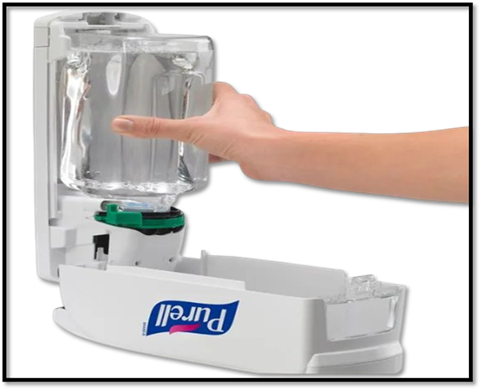
Not all sanitizing stations are created equal, and this is where the distinction between consumer-grade products and a properly designed commercial hand sanitizer stand becomes important. Commercial-grade stands are built to withstand heavy daily use, often featuring durable materials like powder-coated steel or heavy-duty acrylic, larger sanitizer reservoirs that require less frequent refilling, and stable bases designed to prevent tipping in busy environments.
For businesses evaluating options, it’s worth considering factors such as the expected daily foot traffic, since higher-traffic locations benefit from larger capacity dispensers, the physical footprint of the unit, particularly in tighter spaces like retail checkout areas, and whether touch-free sensor technology is a priority given the setting’s hygiene requirements. Investing in a genuinely commercial-grade product, rather than a lightweight consumer version, ultimately proves more cost-effective over time, reducing the frequency of refills, repairs, and replacements.
The Role of a Sanitizing Floor Stand in Facility Design
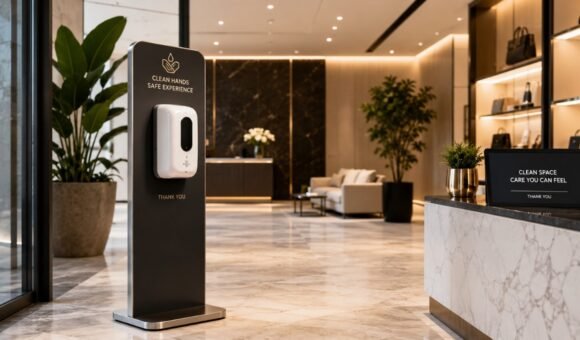
A well-placed sanitizing floor stand does more than provide hand hygiene, it becomes part of a facility’s overall wayfinding and safety signage strategy. Many modern stands include space for branding, safety instructions, or promotional messaging, allowing businesses to reinforce their commitment to cleanliness while also communicating directly with visitors at key touchpoints.
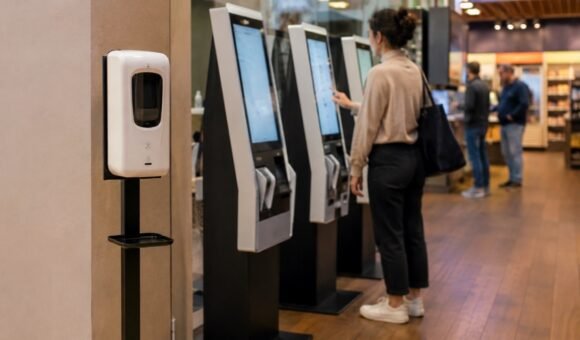
Placement strategy matters significantly here. Stands positioned at entrances set the tone immediately upon arrival, while those near high-touch areas, such as elevators, restrooms, or dining areas, address specific points of concern for visitors. Thoughtful placement, combined with a stand that matches the facility’s aesthetic and traffic patterns, transforms what could be a purely functional item into a seamless part of the overall customer experience.
Making the Right Investment for Your Business
Ultimately, selecting the right sanitizing solution comes down to matching the product to your specific environment. High-traffic public spaces benefit most from touch-free hand sanitizer dispensers mounted on sturdy commercial hand sanitizer stand, while smaller offices or boutique retail spaces might find a compact hand sanitizer tower sufficient for their needs. Whatever the setting, prioritizing durability, hygiene technology, and thoughtful placement ensures that the investment pays off, not just in cleanliness, but in the confidence it builds with everyone who walks through your doors.
Frequently Asked Questions
1. What’s the difference between a hand sanitizer tower and a wall-mounted dispenser? A hand sanitizer tower is a freestanding unit that can be placed anywhere without installation, offering flexibility to move or reposition it as needed. Wall-mounted dispensers, by contrast, are fixed in place and require drilling or mounting hardware, making them less adaptable but sometimes preferable for permanent, space-saving installations.
2. Are touch-free hand sanitizer dispensers more hygienic than manual ones? Yes. Touch-free dispensers use motion or infrared sensors to release sanitizer without requiring users to press a button or lever, eliminating a potential surface for germ transfer, particularly valuable in high-traffic environments where many people use the same station throughout the day.
3. How often does a commercial hand sanitizer stand need to be refilled? This depends on the reservoir size and daily usage volume. Commercial-grade stands typically feature larger tanks than consumer models, often requiring refills only every few days to a couple of weeks in moderate-traffic settings, though very high-traffic locations may need more frequent attention.
4. Where should I place a sanitizing floor stand for maximum effectiveness? Entrances, checkout counters, elevators, and areas near restrooms or dining spaces tend to be the most effective placement points, since these are natural touchpoints where visitors expect and benefit from easy access to sanitizer.
5. Can these stands be customized with branding? Many commercial stands offer space for branding, signage, or safety messaging, allowing businesses to reinforce their identity and communicate hygiene protocols directly at the point of use.
6. Are hand sanitizer towers suitable for outdoor use? Some models are designed specifically for outdoor or semi-outdoor environments, using weather-resistant materials and covered dispensing mechanisms. It’s important to check product specifications, as not all standard indoor stands are built to withstand outdoor conditions.
7. What type of business benefits most from a touch-free dispenser system? Any business with high foot traffic, such as retail stores, healthcare facilities, schools, restaurants, and office buildings, benefits significantly from touch-free systems, both for hygiene reasons and for the reassurance they provide to visitors and employees alike.

Add a review
Your email address will not be published. Required fields are marked *