
AI Is Watching You Wash Your Hands And That Might Actually Be a Good Thing
Introduction
Picture a hospital hallway where a camera quietly notices whether a nurse used the sanitizer dispenser before entering a patient’s room. No clipboard, no person hiding nearby with a notepad, just software doing what humans used to do by hand. It is a small moment, but it points to a bigger shift in how businesses think about hygiene.
That is the basic idea behind AI hand hygiene monitoring, and it is becoming one of the more practical uses of artificial intelligence in everyday operations. It sounds a little unusual at first, maybe even uncomfortable. But once you understand what the technology actually does and why it exists, the discomfort tends to fade into relief.
Why Hand Hygiene Monitoring Became a Real Problem to Solve
Handwashing compliance has always been tracked the old-fashioned way: someone stands nearby and counts. The trouble is that people behave differently when they know they are being watched.
Studies have shown that manual audits capture only a small slice of real behavior, and that observed compliance often looks better than actual compliance once the observer walks away. Hospitals, in particular, have struggled with this for years, as missed handwashing is one of the leading contributors to preventable infections.
This gap between what gets recorded and what actually happens is exactly why interest in hand hygiene technology has grown so quickly across healthcare, food service, and other high-traffic environments.
How Computer Vision Changed the Conversation
From Cameras to Confirmed Results
The shift started with cameras and depth sensors placed near sinks and dispensers. Researchers at Stanford installed sensors above hand hygiene stations outside patient rooms and found that a computer vision hand hygiene system could match, and in some cases exceed, the accuracy of a trained human observer.
Instead of relying on memory or a rushed glance, the system simply logs whether someone used the dispenser on the way in and out.
Where the Technology Still Has Limits
A broader scoping review of the field found that vision-based models achieved accuracy above 90% in specific hospital settings, though performance can vary when a system is asked to generalize across very different rooms or lighting conditions.
That honesty about limitations matters because it separates a genuinely useful tool from an overhyped one.
From Guesswork to Real Numbers
What makes this approach worth paying attention to is not the novelty of a camera watching a sink. It is the shift from occasional spot checks to continuous, consistent data.
Automated hand hygiene monitoring removes the sampling problem entirely. Instead of a handful of observed moments each week, a facility gets a full picture of compliance across every shift, every entrance, and every staff member.
One documented case involving a burn unit showed compliance rates climbing from under sixty percent to over eighty percent once a monitoring system was paired with regular, individualized feedback. The data alone did not fix the problem. What worked was combining the numbers with a simple habit: showing people their own patterns and giving them a reason to adjust.
Is This Surveillance, or Is It Support?
It is a fair question, and one worth asking honestly rather than brushing aside. Nobody enjoys the idea of being tracked while washing their hands.
The difference between surveillance and support usually comes down to purpose and transparency. Systems built around hand hygiene compliance technology are not designed to single people out or assign blame. They are built to spot patterns, like a specific entrance where dispensers run dry too often, or a shift where compliance quietly drops.
When staff understand the goal is fewer infections and safer patients, not punishment, the tool tends to earn trust rather than resentment. The facilities that get this right treat the technology as a support system for good habits, not a watchdog looking for mistakes.
What Smart Monitoring Looks Like in Practice
The Basic Building Blocks
A well-designed smart hand hygiene monitoring setup usually blends a few things together:
- Sensors or cameras placed near dispensers and sinks
- Software that recognizes the handwashing action itself
- A dashboard that turns raw activity into something a manager can actually use
- Wearable badges as a privacy-friendly alternative to cameras in some settings
Technology Still Needs a Strong Foundation
None of this replaces the basics. A dispenser still needs to be stocked, placed where people will actually use it, and be easy to maintain. AI hygiene monitoring works best when it sits on top of a solid physical setup rather than trying to compensate for one that is missing entirely.
A few things tend to separate a system that gets used from one that quietly gets ignored:
- Clear, simple feedback that staff can check without extra effort
- Placement that matches real foot traffic, not just convenient wiring
- Regular restocking so the technology never reports a failure that was really just an empty bottle
- Feedback shared as a trend over time, not a single embarrassing moment
Choosing the Right Approach for Your Business
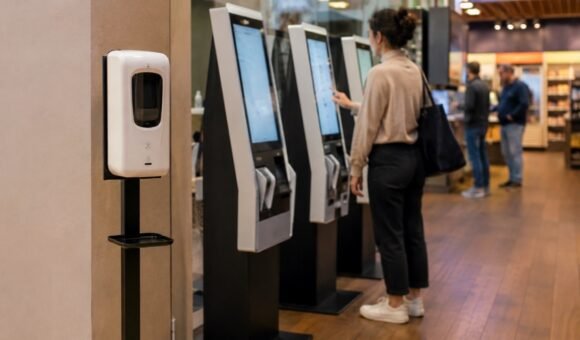
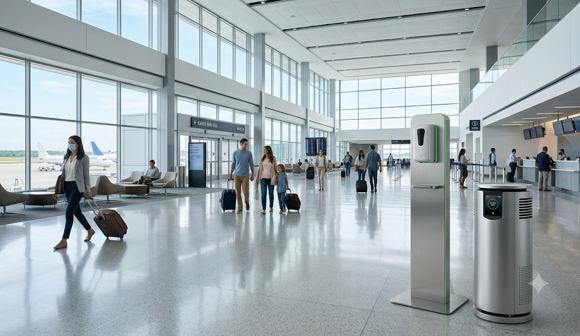
Not every business needs a full camera-based system. A hospital ICU has very different requirements than a busy retail counter or a school hallway.
What most spaces do benefit from, though, is thinking about hand hygiene as something worth measuring at all, even informally. Hand hygiene monitoring systems range from simple usage counters built into a dispenser to full computer vision setups, and the right choice depends on foot traffic, budget, and how much detail actually matters for your setting.
The goal isn’t to chase the most advanced option available. It’s to close the gap between what you assume is happening and what is actually happening at the sink or the sanitizer stand.
Conclusion
The idea of AI watching handwashing habits can sound like something out of a workplace surveillance headline, but the reality is far more practical. It is about closing a long-standing blind spot with better, more honest data and using that data to build habits that protect everyone in the space.
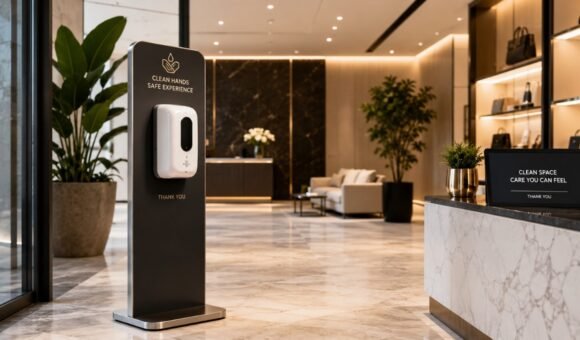
The HandStand Shop has always believed that good hygiene starts with the right equipment in the right place, and technology like this simply adds a layer of accountability on top of that foundation. Paired with reliable, well-placed sanitizer stations, it becomes one more way businesses can show customers and staff that hygiene isn’t an afterthought; it’s a standard.
FAQs
1. Does AI hand hygiene monitoring replace hand sanitizer stations?
No. It works alongside them, tracking whether stations are actually being used so businesses know if placement, stocking, or staff habits need attention.
2. Is camera-based hand hygiene monitoring accurate?
Research shows accuracy above ninety percent in specific settings like ICUs, though performance can vary when systems are applied to new environments.
3. Does this technology identify individual employees?
Some systems track individuals for feedback purposes, while others report only aggregate or zone-level data, depending on privacy needs and workplace policy.
4. Which industries use hand hygiene monitoring the most?
Hospitals lead adoption due to infection control needs, though food service, schools, and offices are increasingly exploring similar tools for basic compliance tracking.
5. Is monitoring compliance actually improving hand hygiene rates?
Yes, especially when paired with regular feedback. One hospital unit saw compliance rise from under sixty percent to over eighty percent using this approach.
Ready to Support Better Hygiene Habits?
Give your space the reliable foundation this kind of technology depends on. Shop a hand sanitizer stand built for consistent, everyday use, and make good hygiene easy to keep up.
Add a review
Your email address will not be published. Required fields are marked *