
How Global Events Changed the Way We Think About Cleanliness Forever
The significance of cleanliness has always existed, but the world events of the past few decades have entirely changed people’s perception of hygiene and sanitation. The outbreak of various diseases and, most recently, the coronavirus pandemic, has made individuals, organizations, and the government realize that good hygiene goes beyond appearance and is a necessity.
In this day and age, the Importance of Cleanliness goes way beyond domestic and work environments. The issue is related to the health care system, school facilities, public transportation, restaurants, workplaces, and even to travel abroad. With societies adapting to new threats, there was an upsurge in Cleanliness Awareness.
The Shift from Basic Cleaning to Public Health Protection
In the past, cleanliness was related to either keeping oneself neat or avoiding foul smells. Although these factors are relevant as well, nowadays, cleanliness is all about Health and Hygiene and limiting illnesses.
Global health threats have shown just how fast such diseases can move between countries. For this reason, new policies that emphasize Public Hygiene have been developed by various entities.
Cleaning regularly, disinfecting surfaces, and encouraging healthy hygiene habits have become routine activities in many places.
Why the COVID-19 Pandemic Changed Everything
The outbreak of the coronavirus disease has become one of the most important milestones in recent history. It made people understand across the globe that hygiene practices can play a critical role in containing diseases.
During this period, people became more conscious of:
- Washing hands regularly
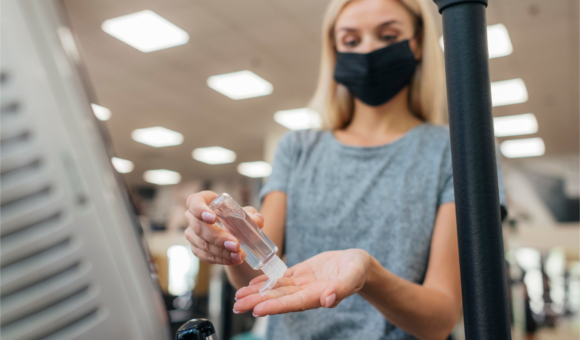
- Using hand sanitizers
- Wearing masks when necessary
- Keeping shared spaces clean
- Maintaining better personal health habits
These methods played a huge role in increasing public health awareness, making people realize that cleanliness is everyone’s responsibility, not just one’s own.
The private sector was also keen on making sure that their facilities were more hygienic through effective cleaning plans and training programs.
Personal Hygiene Became a Daily Priority
One of the biggest cultural changes has been the increased focus on Personal Hygiene.
People now understand that small daily habits contribute to overall health and reduce the risk of spreading infections. These habits include:
- Frequent handwashing
- Regular bathing
- Proper oral care
- Wearing clean clothes
- Covering coughs and sneezes
- Staying home when feeling unwell
Educational campaigns in schools and places of work have also contributed to the development of these habits.
This increasing sense of personal accountability has improved the health of the community as a whole.
Better Hygiene Practices in Public Spaces
The public spaces have undergone massive improvements due to various health challenges. This means that places like airports, malls, schools, hospitals, gyms, and even restaurants have adopted new Hygiene Practices which are quite different from the previous ones.
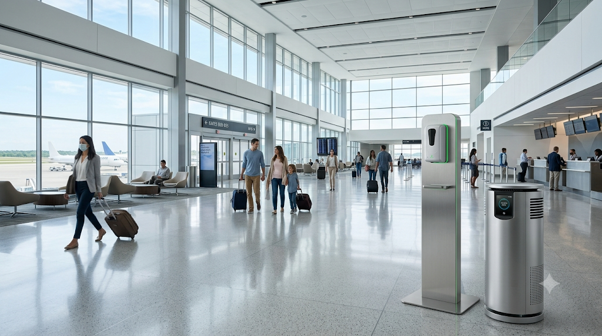
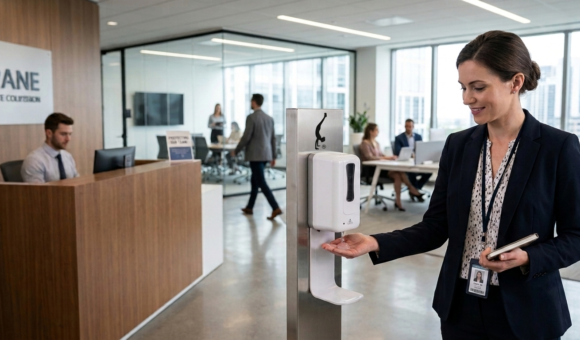
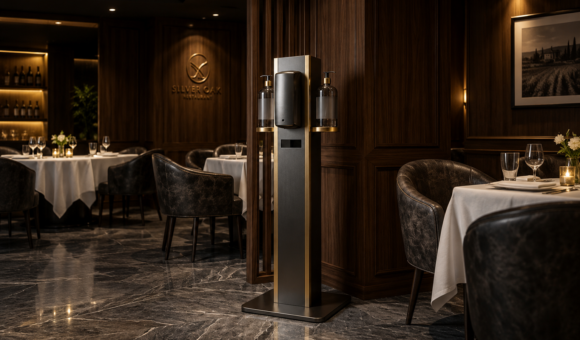
Many businesses have also installed hand sanitizer towers at entrances and high-traffic areas, along with hand sanitizer dispensers, making it easier for visitors and employees to maintain good hand hygiene throughout the day.
These changes not only improve customer confidence but also contribute to long-term Infection Prevention, reducing the likelihood of disease outbreaks in crowded environments.
It has been realized that clean spaces are good for both business and public health.
Higher Sanitation Standards Across Industries
World affairs spurred industries to increase Sanitation Standards drastically.
Hospitals maintain strict cleaning methods, yet other organizations have also increased their sanitation standards, including:
- Hospitality
- Food service
- Manufacturing
- Retail
- Education
- Corporate offices
Many organizations also invest in sanitizer towers and strategically position hand sanitizer dispensers throughout shared spaces to encourage regular hand sanitization.
Sanitation has proven to be an essential component in establishing trust with customers.
The Rise of Clean Living as a Lifestyle
The idea of Clean Living has grown beyond disinfecting surfaces.
Nowadays, it is becoming more common for individuals to think about creating healthy living environments by organizing things properly, maintaining good air quality, ensuring proper nutrition, and minimizing exposure to harmful toxins.
Modern households often prioritize:
- Decluttering living spaces
- Using eco-friendly cleaning products
- Improving indoor ventilation
- Maintaining cleaner kitchens and bathrooms
- Creating healthier daily routines
This lifestyle shift reflects a broader understanding that clean surroundings contribute to both physical and mental well-being.
Hygiene Culture Is Becoming Part of Everyday Life
Global incidences have facilitated the growth of a robust Hygiene Culture on the international scene.
Children are now taught hygiene at an early age, offices emphasize healthy practices, and people in the community engage in public sanitation drives.
Many institutions keep promoting hygienic messages, offering cleaning products, and motivating employees towards healthy behavior.
The emergence of such a culture reflects the fact that hygiene has ceased being a measure for emergencies and has transformed into an integral aspect of community life.
As this becomes the norm, communities become better equipped for health-related issues in the future.
The Connection Between Hygiene and Disease Prevention
One of the major things that has been learned from the current events across the globe is the direct link between Cleanliness and Disease Prevention.
Cleanliness prevents the transmission of bacteria, viruses, and other microorganisms that cause diseases.
Simple preventive measures include:
- Washing hands before meals
- Cleaning high-touch surfaces regularly
- Practicing safe food handling
- Maintaining workplace cleanliness
- Proper waste disposal
- Following the recommended sanitation guidelines
Although no method eliminates health risks, consistent hygiene significantly lowers the chances of widespread infections.
Building a Cleaner Environment for Future Generations
In order to create a Clean Environment, there needs to be coordination among individuals, companies, and governments.
There is a global effort being made towards creating clean public places, waste management, sanitary facilities, and environmental sustainability programs.
This will help us to have better conditions of living without the threat of pollution.
Another key component is the contribution made by people who keep their houses clean, dispose of their waste correctly, and foster hygiene practices among their family members.
All of these combine to make for healthier environments.
Modern Hygiene Trends Shaping the Future
Modern Hygiene of today is continuously improving along with technological advancements and scientific discoveries.
Some of the most notable Hygiene Trends include:
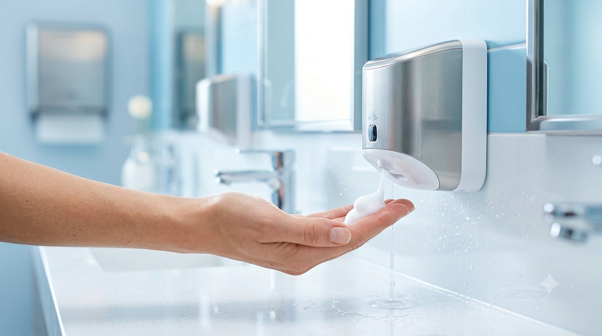
- Touchless handwashing systems
- Smart cleaning technologies
- UV disinfection equipment
- Eco-friendly cleaning solutions
- Air purification systems
- Antimicrobial surface materials
All these developments help increase efficiency and create healthy indoor spaces.
With continued awareness, more investments can be expected from businesses and residential places in the future to come.
Conclusion
Events taking place in the world have made people think of cleanliness in a whole new light. Something that was once deemed a common chore has been transformed into an essential element of public safety and the prevention of diseases.
The Importance of Cleanliness is evident from better habits, higher levels of sanitation, increased consciousness about cleanliness, and an eternal dedication to living a healthy life. Either through improved Personal Hygiene, Public Hygiene, or modern-day sanitation practices, everyone has a vital role to play in making the future healthier.
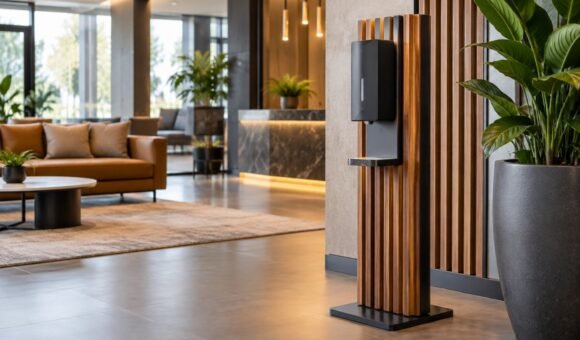
We need to learn from these lessons and adopt good hygiene practices to continue protecting ourselves and others. Choosing the right hygiene equipment, such as a heavy-duty hand sanitizer stand paired with the right soap and sanitizer dispenser, can help businesses and public spaces maintain cleaner, safer environments.
Frequently Asked Questions
1. How has the significance of hygiene increased in modern days compared to the past?
Various global health incidents have proved that hygiene is an essential element in disease prevention and public health.
2. How does hygiene help avoid diseases?
Hand washing, surface cleaning, sanitation, and personal hygiene help prevent infection with various bacteria and viruses.
3. What are the current hygiene trends?
The contemporary hygiene trends include the use of touchless technologies, environmentally friendly cleaning products, UV sanitization systems, smart cleaning devices, and improvements in indoor air quality technologies.
4. What is the importance of public hygiene?
Public hygiene contributes to safer spaces and prevents the risk of spreading infectious diseases in public spaces.
5. How can everyone make the surrounding area cleaner?
Everyone should keep his/her home clean, have good personal hygiene, dispose of waste properly, participate in sanitation activities, and practice healthy behaviors.
Add a review
Your email address will not be published. Required fields are marked *