
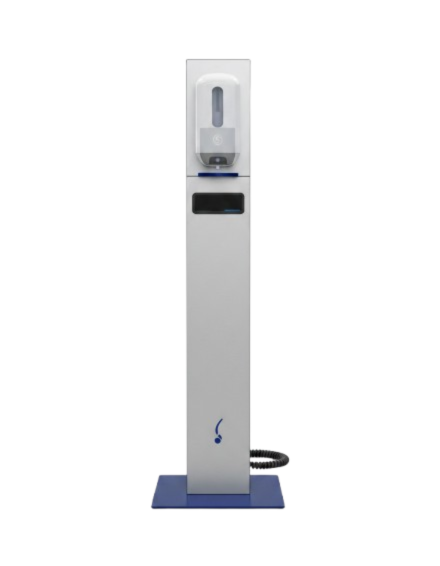
2026 Facility Managers’ Secret: Pairing a Heavy Duty Hand Sanitizer Stand with the Right Soap and Sanitizer Dispenser
A facility manager at a busy retail center in Texas replaced six broken sanitizer stations last year. Same issue every time. Weak stands, leaking dispensers and messy floors near entrances. Staff got annoyed. Visitors noticed it too. After switching to a Heavy Duty Hand Sanitizer Stand with a better Soap and Sanitizer Dispenser, maintenance calls dropped almost immediately.
That pattern is showing up everywhere in 2026. Commercial hygiene is no longer treated like a side task. People expect clean, working sanitizer stations in offices, schools, gyms, clinics, and public buildings. One broken dispenser near the front entrance can quietly damage the way visitors see the entire business.
Facility managers know that now. This blog explains why pairing the right sanitizer stand with the correct dispenser matters more than ever, and what facilities should actually look for before buying new hygiene equipment.
Hygiene Standards Changed Fast
Public spaces deal with constant traffic every day. Hundreds of hands touch doors, counters, elevator buttons, and shared surfaces. Facilities need hygiene systems that survive heavy use without constant repairs. Cheap sanitizer stations usually fail early.
Plastic bases crack. Lightweight stands wobble. Low-quality dispensers drip sanitizer onto the floor. Cleaning crews end up spending extra time fixing preventable problems. A durable commercial sanitizer station solves most of that frustration before it starts.
Many facility managers now focus on three things:
- durability
- touch-free operation
- easy maintenance
That shift happened because temporary solutions stopped working in busy environments.
Why the Pairing Matters More Than Most People Think
A strong standalone is not enough. The dispenser attached to it affects daily performance far more than many buyers realize.
Certain sanitizer formulas clog automatic dispensers. Thin liquid solutions sometimes leak through poor valve systems. The weak sensors cease to work after months of active use. Good hygiene equipment is a complete system. To ensure the station is safe in a busy area, a heavy-duty hand sanitizer stand is made stable. Quality soap and sanitizer dispenser regulates the flow of the sanitizers properly and minimizes waste.
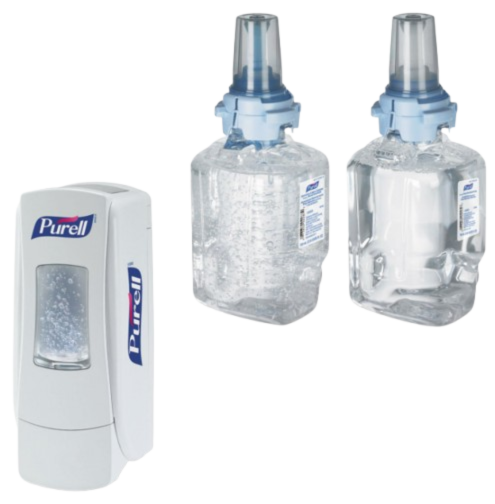
They produce a cleaner and more reliable setup together. That is also a combination that enhances user trust. It is quite natural that people do not want to use dispensers that appear dirty, unstable or half broken. Minor visual cues are important in social setups.
What Facility Managers Look for in 2026
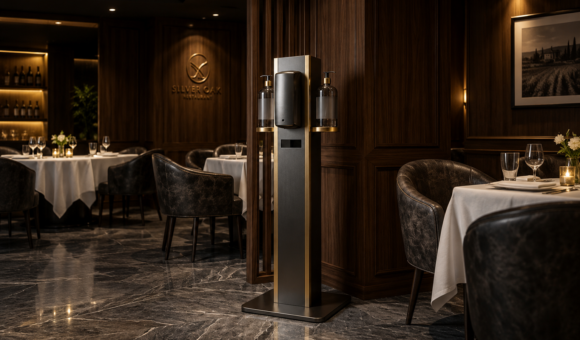
Business premises require sanitizer stations, not those that are only attractive in product images. Most of the best heavy-duty stands are typically made of steel, have weighted bases and are compatible with touch-free dispensers. Powder-coated finishes are also more prevalent since they are tougher to scratches and cleaning chemicals in the long run.
Automatic dispensers are now standard in many facilities. Manual push dispensers still exist, though touchless models continue growing because they reduce shared contact points.
Several features make daily maintenance easier:
- refill monitoring
- anti-drip valves
- adjustable sanitizer output
Battery performance matters too. Weak batteries create sensor delays that frustrate visitors quickly.
A hospital maintenance supervisor in Illinois recently shared that switching to sealed cartridge dispensers reduced sanitizer leakage complaints by nearly half within six months. Small upgrade. Big operational difference.
Placement Impacts Sanitizer Usage
Location changes everything. Sanitizer stations hidden near walls or tucked into corners usually get ignored. Stations placed directly along natural walking paths perform much better.
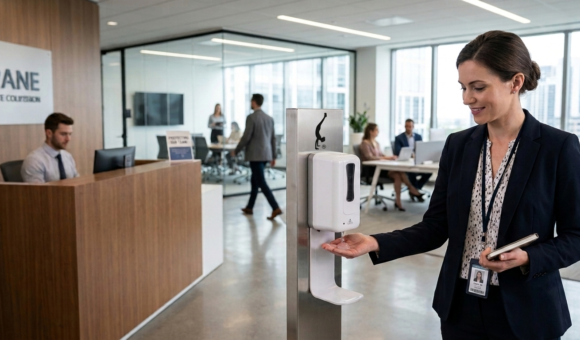
Entrance areas remain the highest priority. Elevator lobbies, reception desks, conference room entrances and cafeteria spaces also see strong usage rates.
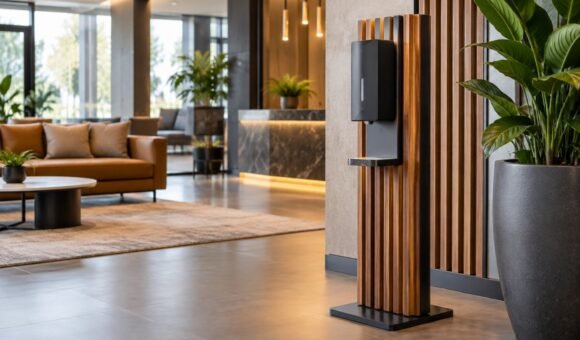
Facilities that place a floor-standing sanitizer station near high-contact areas generally improve hygiene participation without needing signs or reminders everywhere. People use sanitizer more often when the station feels convenient and visible. Simple truth, honestly.
Cleanliness Now Affects Brand Reputation
Visitors connect visible hygiene with professionalism. That connection became much stronger after recent public health shifts.
A clean sanitizer station sends a positive signal. A leaking dispenser or unstable stand sends the opposite message.
Property managers, schools, healthcare clinics, and retail stores all face growing pressure to maintain visible sanitation standards while controlling long-term operating costs.
Reliable hygiene equipment helps balance both. CDC guidelines indicate that alcohol-based hand sanitizers with alcohol content of at least 60 percent are effective in limiting most of the common germs in common areas. Touch-free hygiene systems remain a priority in facilities as they help to maintain safer shared environments. The current sanitation facilities also enhance the attitude of employees towards the workplace. Even when the management believes they do not, staff observe maintenance quality.
Long-Term Savings Are Often Overlooked
At first glance, low-cost sanitizer stations can seem cheap, yet the cost of replacing them is incurred rapidly. Leaks damage flooring. Weak stands are torn down when used heavily. The dispensers do not last long and cause continuous refill waste. Maintenance teams will use additional hours repairing problems that can be avoided by improving equipment. Higher-quality hygiene systems minimize those indirect costs in the long run.
Facility managers in 2026 are thinking beyond quick purchases now. Many treat sanitation equipment as part of long-term building infrastructure rather than temporary accessories. That mindset shift is changing commercial hygiene buying decisions everywhere.
Conclusion
Strong hygiene systems do not happen by accident. A reliable Heavy Duty Hand Sanitizer Stand is paired with the appropriate Soap and Sanitizer Dispenser to produce cleaner, safer and easier-to-clean areas for both employees and visitors. Durability matters. Placement matters. Dispenser quality matters even more than many people expect.
Small upgrades often prevent bigger maintenance problems later. That teaching continues to be present in offices, schools, healthcare facilities and retail locations well into 2026. Many facilities still prefer The HandStand Shop to commercial hygiene solutions that are constructed to be used heavily on a daily basis.
FAQs
What is a heavy duty hand sanitizer stand used for?
A heavy duty hand sanitizer stand is designed for high-traffic commercial areas like offices, schools, hospitals, retail stores, and public buildings where durability and stability are important.
Why choose a touch-free soap and sanitizer dispenser?
Touch-free dispensers reduce shared contact points, improve hygiene, and help facilities maintain cleaner public environments with less cross-contamination.
Where should a floor standing sanitizer station be installed?
The best locations include entrances, reception areas, elevator lobbies, cafeterias, and other busy spaces where people naturally stop or pass through.
How do facilities choose the right sanitizer dispenser?
Facilities should look for reliable sensors, leak prevention, refill monitoring, durable materials, and compatibility with their sanitizer or soap products.

Add a review
Your email address will not be published. Required fields are marked *