
The Hidden Journey of Germs: How They Travel Through Everyday Spaces
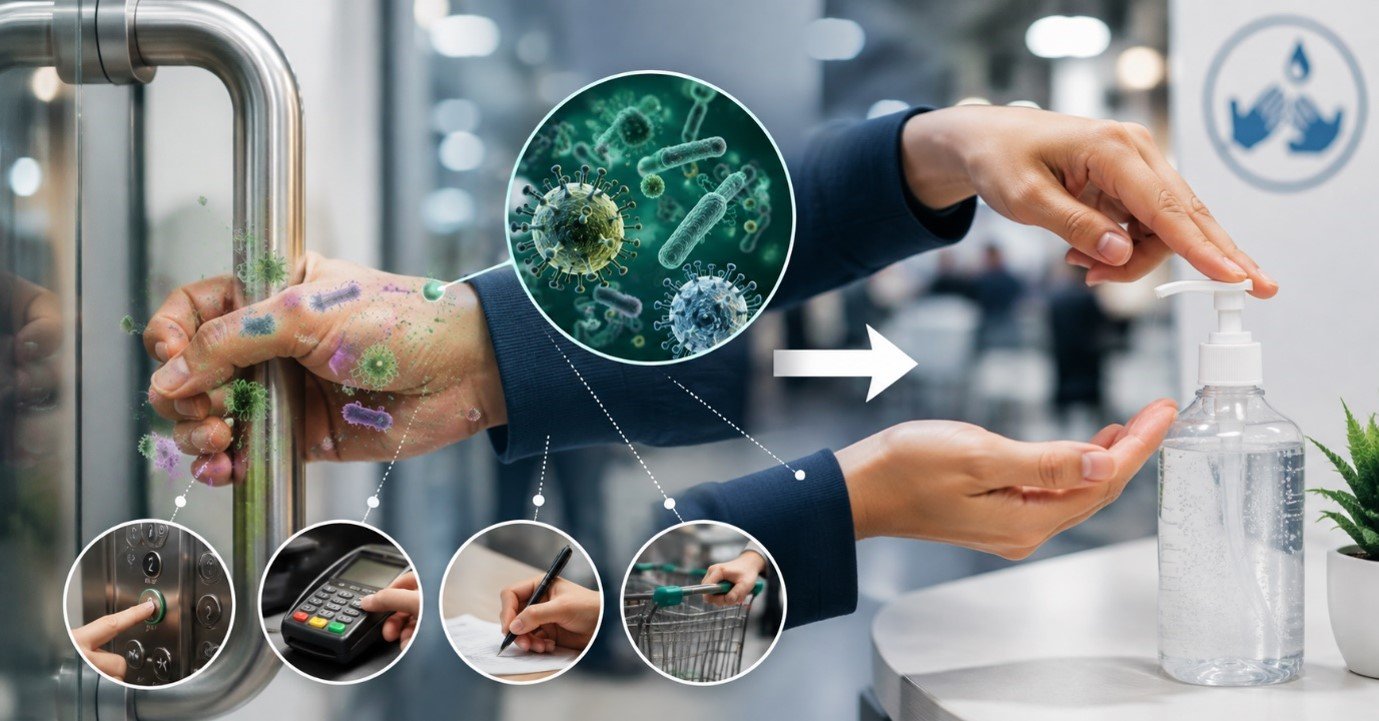
A door handle, a checkout counter, a shared pen. None of these looks dangerous, yet they quietly carry thousands of microbes every single day. Studies from organizations like the Centers for Disease Control and Prevention show that germs can survive on surfaces for hours, sometimes even days. That is exactly why Hand Sanitizer Products Hygiene Solutions have become more than just a convenience. They are a daily necessity.
This blog breaks down how germs actually move through everyday environments and what practical steps can reduce their spread without overcomplicating life.
How Germs Move Without Being Noticed
Most people assume germs spread only through obvious actions like coughing or sneezing. Reality is a bit messier. Transmission often happens through small, forgettable habits.
A quick chain explains it clearly:
- A person touches their face or coughs into their hand
- The same hand touches a shared surface
- Another person picks up those germs within minutes
No drama, no warning signs. According to the World Health Organization, indirect contact like this is one of the most common ways infections spread in public and workplace environments.
The Surfaces That Carry the Most Risk
Not all spaces are equal. Some areas act like silent hubs for germ transfer because they are touched constantly and cleaned less often than expected.
Think about how often these are used in a single day:
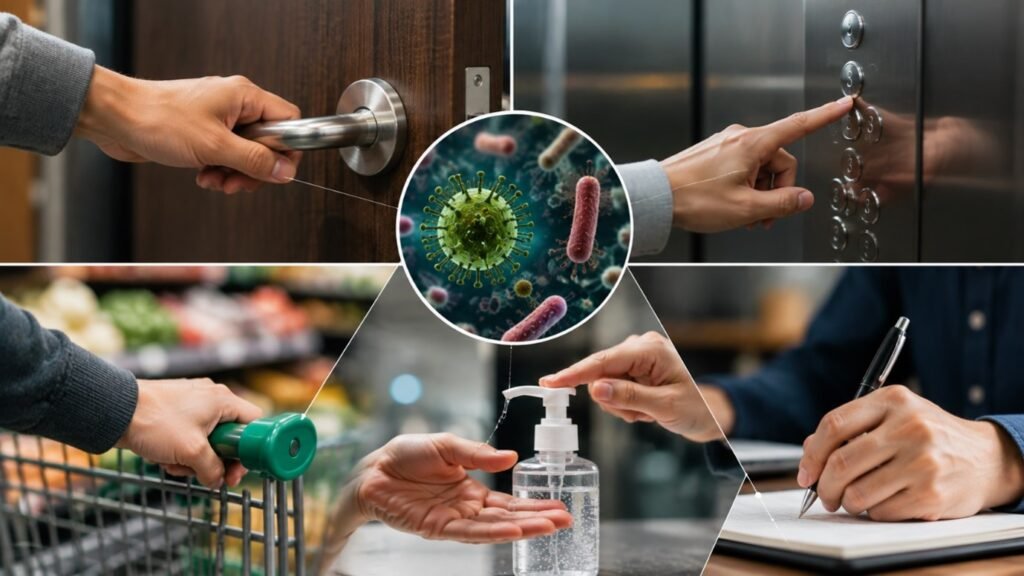
- Door handles, lift buttons, and railings
- Card machines and shared office tools
- Reception desks and waiting areas
Clean appearance does not mean safe. Many of these surfaces look fine but still carry invisible contamination. That mismatch between what we see and what actually exists is where most risk comes from.
Why Cleaning Alone Falls Short
Cleaning helps, no doubt. But it has a timing problem. A surface cleaned at 9 AM can be re-contaminated by 9:10 AM.
A workplace observation study once showed that within just a few hours, over half of shared surfaces carried traces of the same microbes introduced earlier in the day. That speed makes one thing clear. Cleaning is necessary, but it is not enough on its own.
This is where smarter Hygiene Solutions start to matter. They focus on reducing transmission between cleanings, not just resetting surfaces.
The Real Power of Hand Hygiene
Hand hygiene sounds basic, but it remains one of the strongest defenses available. It works because it targets the main carrier, human contact.
Small actions make a big difference:
- Sanitizing after touching shared surfaces
- Cleaning hands before eating or handling personal items
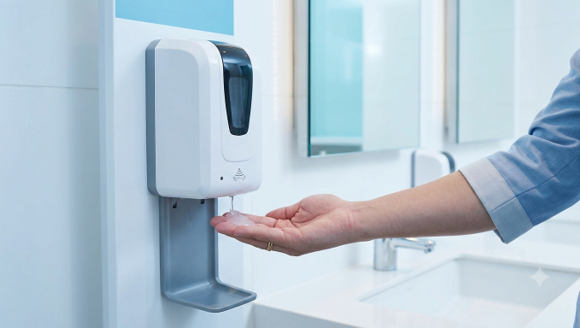
- Using Touch-Free Systems to avoid repeated contact
Hand sanitizer Products are very useful in areas where the sinks are not located. Offices, retail outlets, and event centers depend on speed in order to keep hygienic without disturbing traffic.
What Actually Works in Real Environments
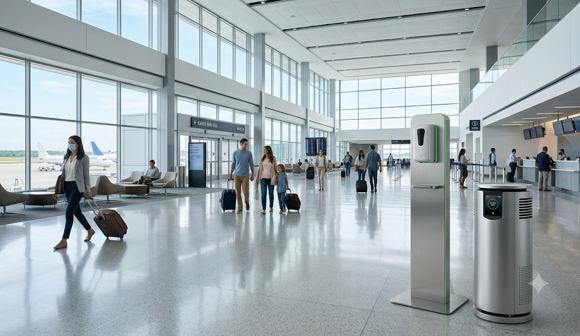
Practical solutions always outperform complicated ones. People follow what is easy, visible, and quick. Spaces that successfully reduce germ spread usually focus on placement and accessibility rather than strict rules. A sanitizer station placed at an entrance gets used. One hidden in a corner does not. There is also a subtle behavior shift. When hygiene tools are visible, people become more aware. That awareness alone reduces careless contact.
Conclusion
Germs do not need special conditions to spread. Every day habits are enough. They move through touch, shared objects, and routine interactions without being noticed. Breaking that chain does not require extreme measures. It comes down to simple, consistent actions supported by accessible tools. Clean hands, smart placement, and awareness go a long way. That is the real takeaway. Hygiene works best when it fits naturally into daily life, not when it feels forced. Companies that want to make the place a safer place tend to rely on more pragmatic systems and solutions, such as The HandStand Shop, to simplify those habits.
FAQs
1. Why are Hand Sanitizer Products important in daily spaces?
They reduce the transfer of germs quickly, especially in high-touch areas where handwashing is not always possible.
2. What are effective Hygiene Solutions for offices?
Easy access sanitizer stations, touch-free dispensers, and consistent cleaning together create a strong defense against germ spread.
3. How do germs spread so quickly in shared environments?
They move through repeated contact with surfaces and hands, often within minutes, without visible signs.
4. Are Hand Sanitizer Products enough on their own?
They help a lot, but they work best when combined with regular cleaning and mindful hygiene habits.



Add a review
Your email address will not be published. Required fields are marked *